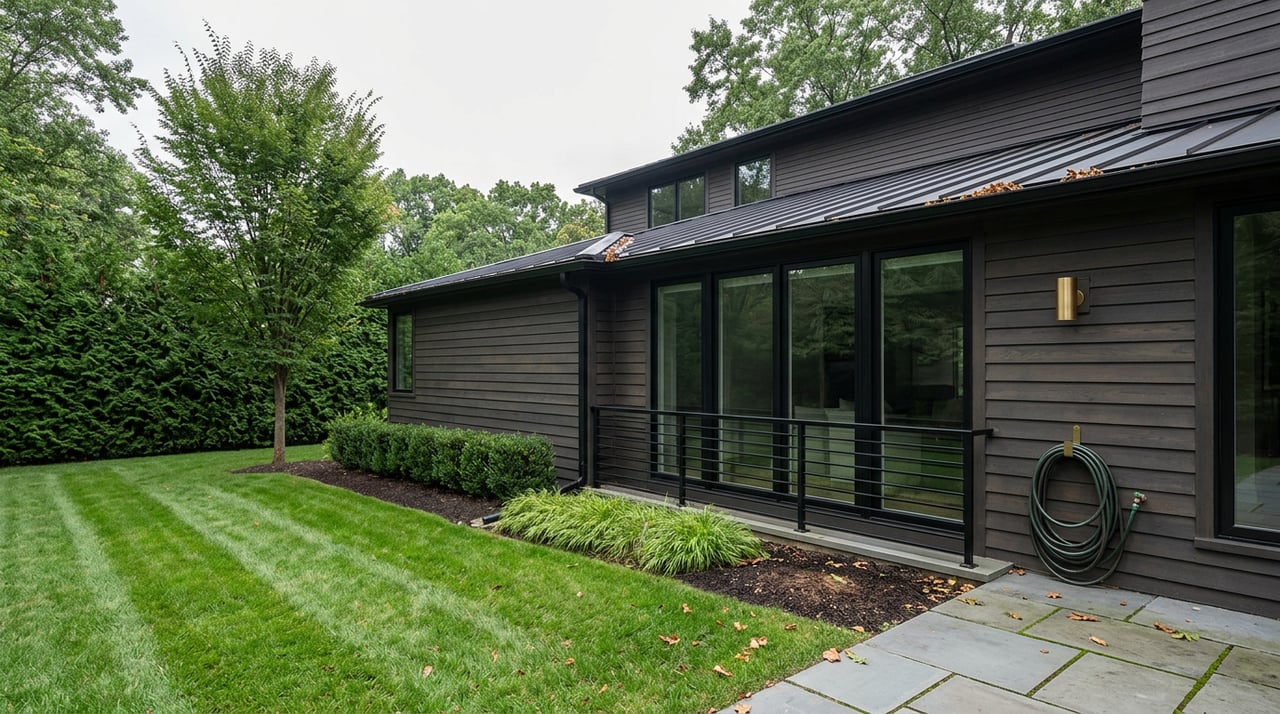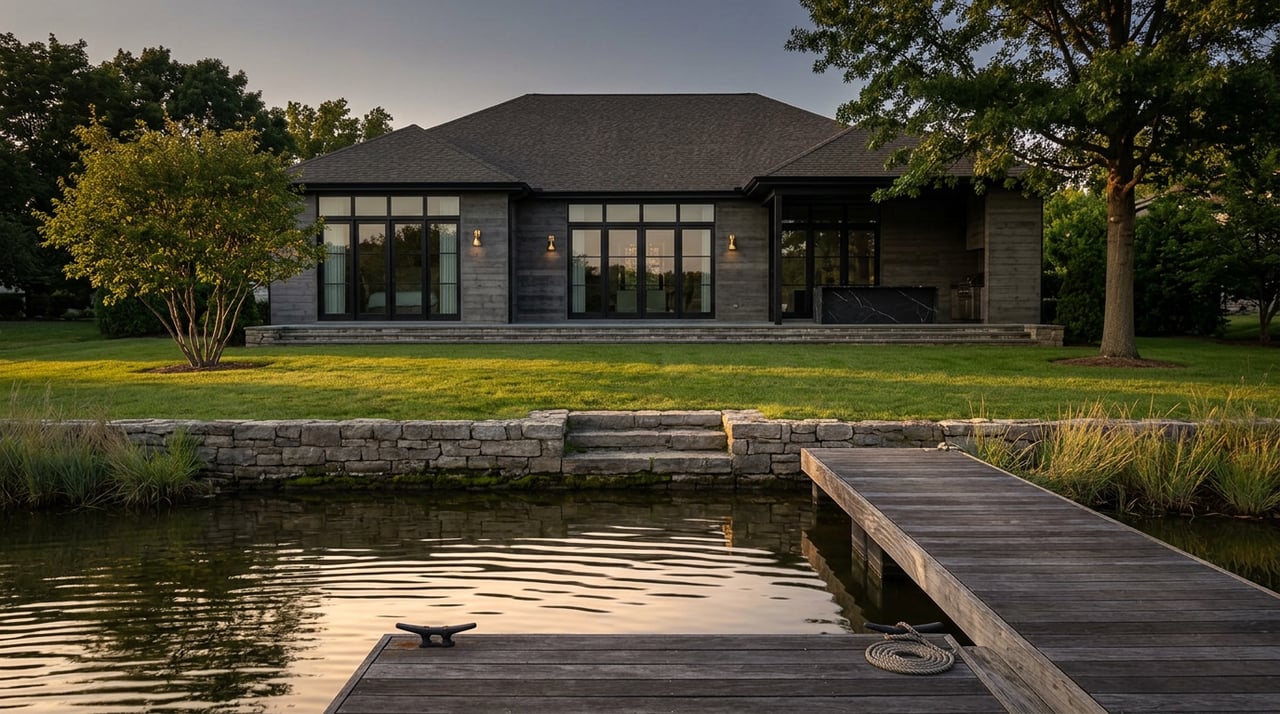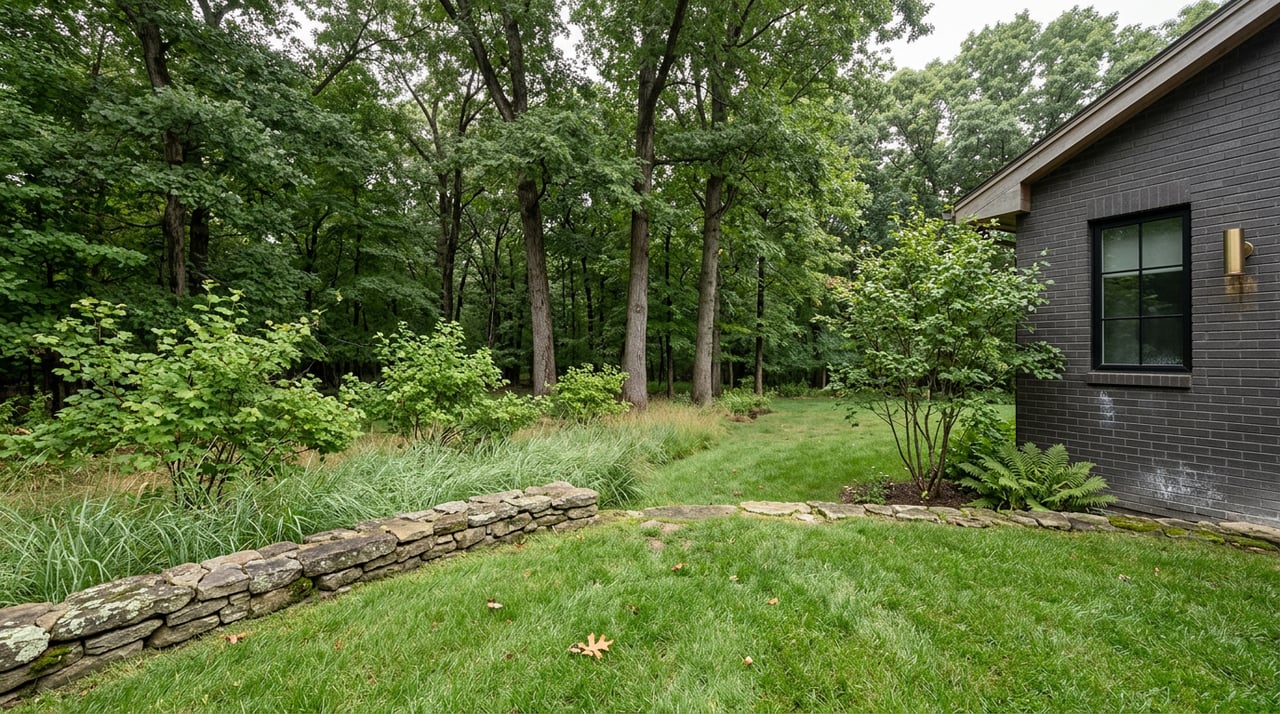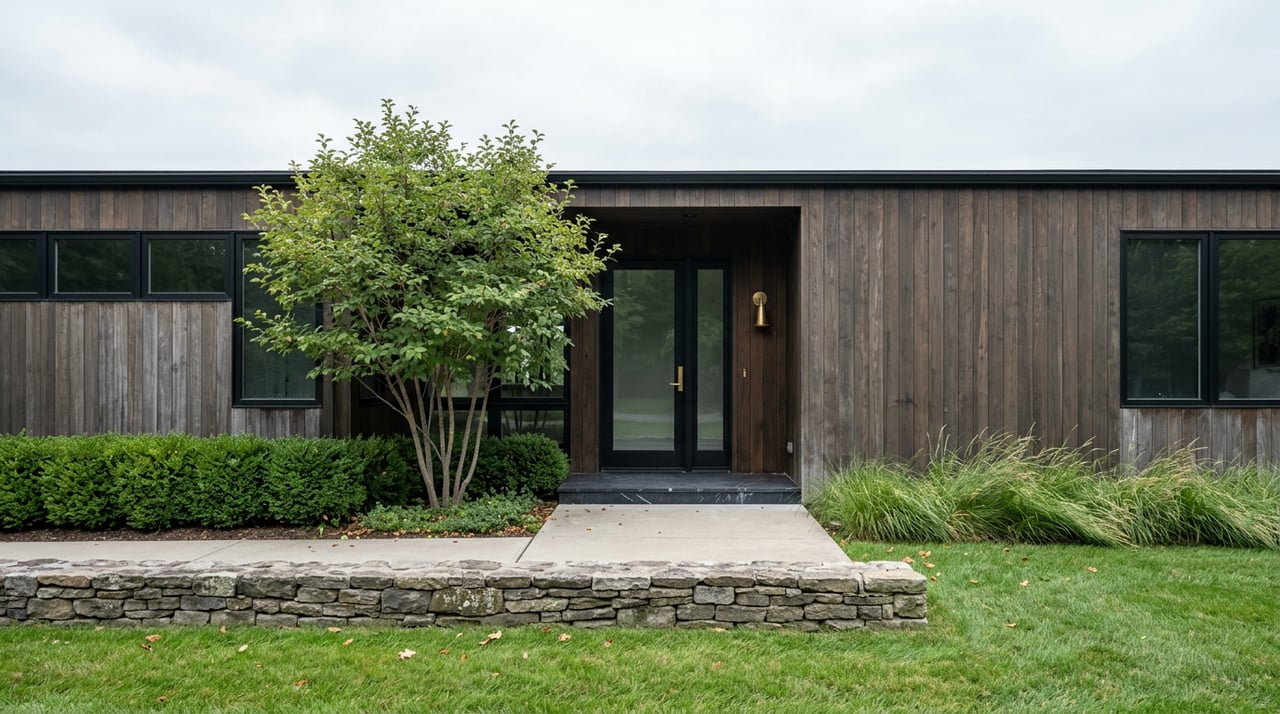
Two houses share the name "Rochester" in every online search, but they were built almost fifty years apart and they fail in completely different ways. One sits three blocks from Main Street in a Craftsman built when the city was still finding its footing after incorporation. The other sits in a Rochester Hills subdivision framed up during the ranch-and-colonial building boom of the 1970s. A buyer comparing them on price per square foot is comparing two different risk profiles that a listing sheet will never separate.
The gap that catches people off guard isn't the one a walkthrough reveals. It's underground.
What the Standard Inspection Skips
A home inspector will climb into the attic, test the outlets, and flag a soft spot on the roof deck. What that inspector will not do, as a matter of standard scope, is put a camera down the sewer lateral running from the house to the street. That line is buried, it's invisible during a walkthrough, and it's one of the more expensive systems in the house to replace if it fails.
Rochester's downtown core makes this more than a theoretical risk. The city was settled in 1817, and a meaningful share of the housing stock near Main Street predates the PVC piping that's now standard. Homes in that older core still commonly drain through their original clay tile or cast iron laterals, pipe material that cracks at the joints, corrodes over decades, and draws in tree roots as those joints open up. None of that shows up when someone runs the water in a sink during a showing.
The fix isn't expensive by real estate standards, but it has to happen at the right point in the transaction. A camera scope of the lateral typically runs $200 to $400 and produces a written report within about 48 hours. If the pipe needs work, trenchless lining, which repairs the inside of the pipe without digging up the yard, runs roughly $165 to $295 per linear foot. Compare that to the cost of an emergency excavation after a backup floods a finished basement mid-showing season, and the math on doing this proactively isn't close.
For sellers in the older core, this is a pre-listing decision, not a post-offer one. A scope done before the home goes on the market either clears the concern or gives the seller time to price around it and disclose accurately. A scope that only happens because a buyer's inspector recommends it during the option period tends to surface at the worst possible moment, right when both sides are trying to close.
Same City Name, Different Decade, Different Risk
The reason "Rochester" search results are misleading is that the name covers two distinct housing eras with two distinct inspection patterns. Here's how the profiles actually diverge:
| Downtown Rochester core | Rochester Hills established areas | |
|---|---|---|
| Typical construction era | Pre-1960s, concentrated near Main Street | 1970s-80s in established sections off Tienken and Livernois |
| Sewer lateral material | Often original clay tile or cast iron | Newer construction, PVC more common |
| Electrical | Original or early-replacement panels common | Aging HVAC more common than wiring concerns |
| Site-specific risk | Root intrusion and joint failure in laterals | Radon in a zone with documented elevated potential; drainage near Clinton River tributaries |
| Exterior alteration review | May require review if the property carries historic designation | Standard permitting, no design review layer |
Neither profile is worse than the other. They're just different, and a buyer who assumes "Rochester" means one consistent inspection experience is working from the wrong mental model. A 1978 colonial off Tienken Road and a 1930s bungalow near Main Street will fail an inspection for entirely different reasons, and the repair budgets that follow look nothing alike.
The Committee That Meets on Wednesdays
There's a second layer specific to the older core that catches sellers less often, but harder, when it does. If a home sits within one of Rochester's designated historic areas, exterior changes can fall under review by the city's Historic District Study Committee, which meets the first Wednesday of each month at the Rochester Fire Department.
This matters for a specific and narrow group of sellers: anyone planning exterior work, a new roofline, replacement siding, a different window profile, before listing an older downtown property. The review process runs on its own monthly calendar, not on a seller's timeline. A homeowner who wants updated exterior photography before a spring listing and starts a siding project in March without checking designation status first can find the work paused waiting on a committee date that doesn't align with when they wanted to be live on the market.
The practical move is to check a property's historic status early, before any exterior contractor is scheduled, not after. For interior renovations this layer typically doesn't apply at all. It's specifically the exterior work on designated properties where the timeline needs to build in a committee cycle.
What This Actually Changes About Prep
Put together, the sewer lateral and the historic review timeline point to the same practical lesson: in Rochester's older core, the things that create last-minute friction are the things nobody sees in a normal walkthrough. The prep list looks different from a generic pre-listing checklist because of it.
For sellers of an older core home:
- Schedule a camera scope of the sewer lateral before listing, not after an offer comes in
- If the home carries historic designation, confirm that status before booking any exterior contractor
- Keep the camera footage and any lining documentation on hand for buyer questions, since a documented repair reads very differently than an unexplained line item
For buyers looking at that same inventory:
- Ask directly whether the lateral has ever been scoped, since a standard inspection report won't answer that on its own
- Budget the $200 to $400 scope as a normal cost of buying in this part of town, not an unusual add-on
- If the seller already has documentation, review it as carefully as the main inspection report
For anyone comparing a downtown core listing to one in Rochester Hills' established neighborhoods, the comparison isn't just price per square foot. It's which set of age-related risks you're underwriting, and what it costs to address them.
A Few Questions Worth Asking Before You Commit
Does every older home in downtown Rochester have a clay or cast iron lateral? Not every one, but it's common enough in the pre-PVC housing stock near Main Street that assuming otherwise without a scope is a guess, not a fact.
Is trenchless lining as durable as full replacement? Lining seals the existing pipe from the inside and is a standard, accepted repair method for laterals with root intrusion but intact pipe walls. A full dig-and-replace is typically reserved for pipe that's structurally collapsed rather than just compromised at the joints.
Do I need committee approval to renovate a historic home's interior? Generally no. The review that applies to designated properties is focused on exterior alterations that change how the home reads from the street, not on interior updates.
If you're weighing a home in Rochester's historic core against one in a newer Rochester Hills neighborhood, the numbers on the listing sheet only tell part of the story. The rest is underground, or on a committee calendar, and it's worth knowing before you're mid-contract instead of after. Kyle Matta works both sides of this market regularly and can walk you through what a specific address is likely to need before you write an offer or set a list price. Request a complimentary home valuation to start that conversation.