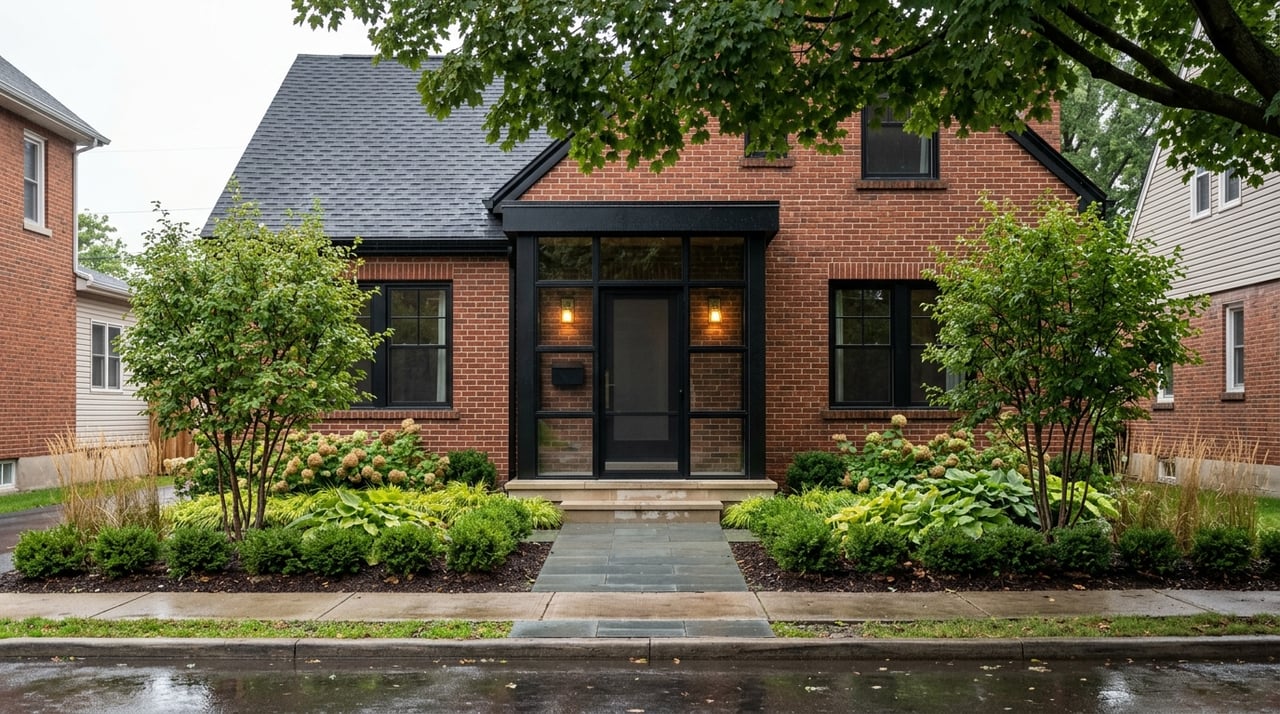
If you want a home with character, coffee-shop convenience, and quick access to parks and trails, buying near Downtown Rochester probably lands on your shortlist. At the same time, this market can feel nuanced because one block may offer a historic bungalow near Main Street while another gives you a condo, a brick colonial, or newer infill construction. This guide will help you understand the housing mix, pricing, lifestyle perks, and practical tradeoffs so you can decide what close-to-downtown living really looks like for you. Let’s dive in.
Why buyers look near Downtown Rochester
Downtown Rochester stands out because it blends historic charm with everyday convenience. The city describes downtown as the historic, cultural, and shopping center of the region, and the downtown district has focused on preserving architectural character while supporting thoughtful reuse of older buildings. According to the City of Rochester welcome guide, the core is designed to feel walkable and pedestrian-scaled, especially along Main Street.
That setting appeals to buyers who want more than just a house. You may be looking for easy access to restaurants, local shops, community events, or outdoor spaces without giving up the stability of an established Oakland County location. Near downtown, you get a lifestyle that often feels more connected and active than a typical subdivision pattern.
What housing looks like near downtown
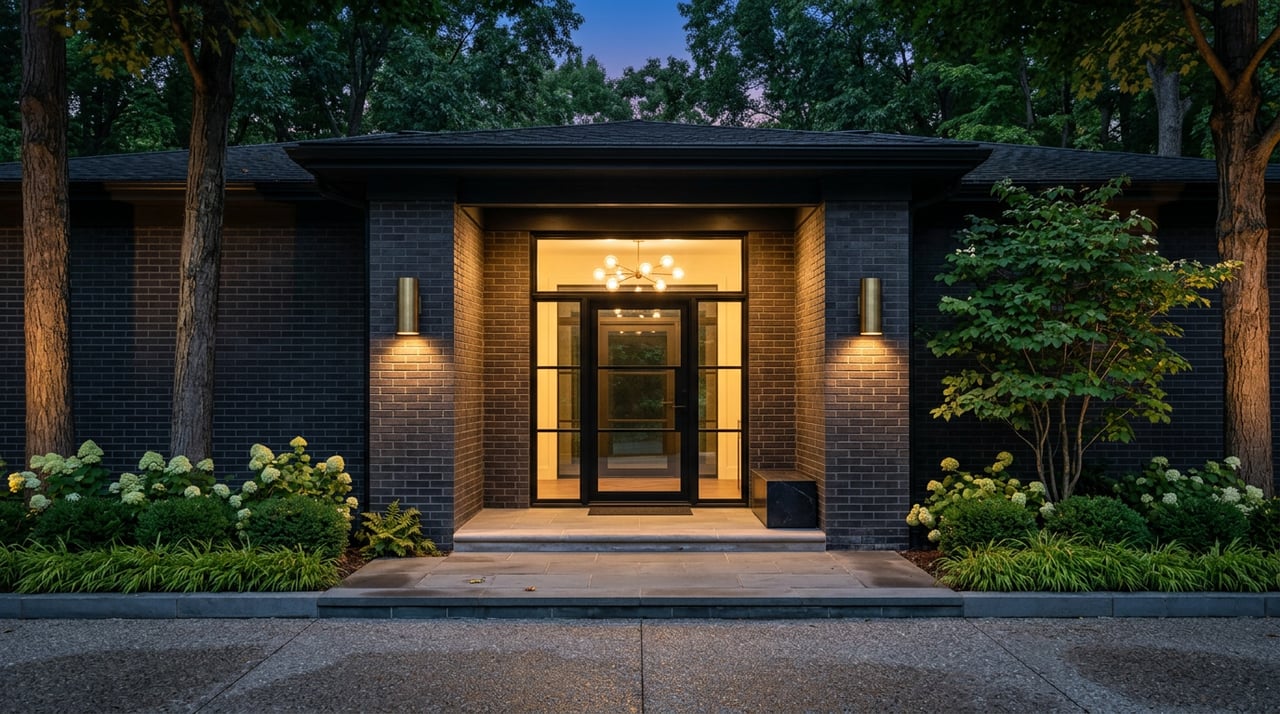
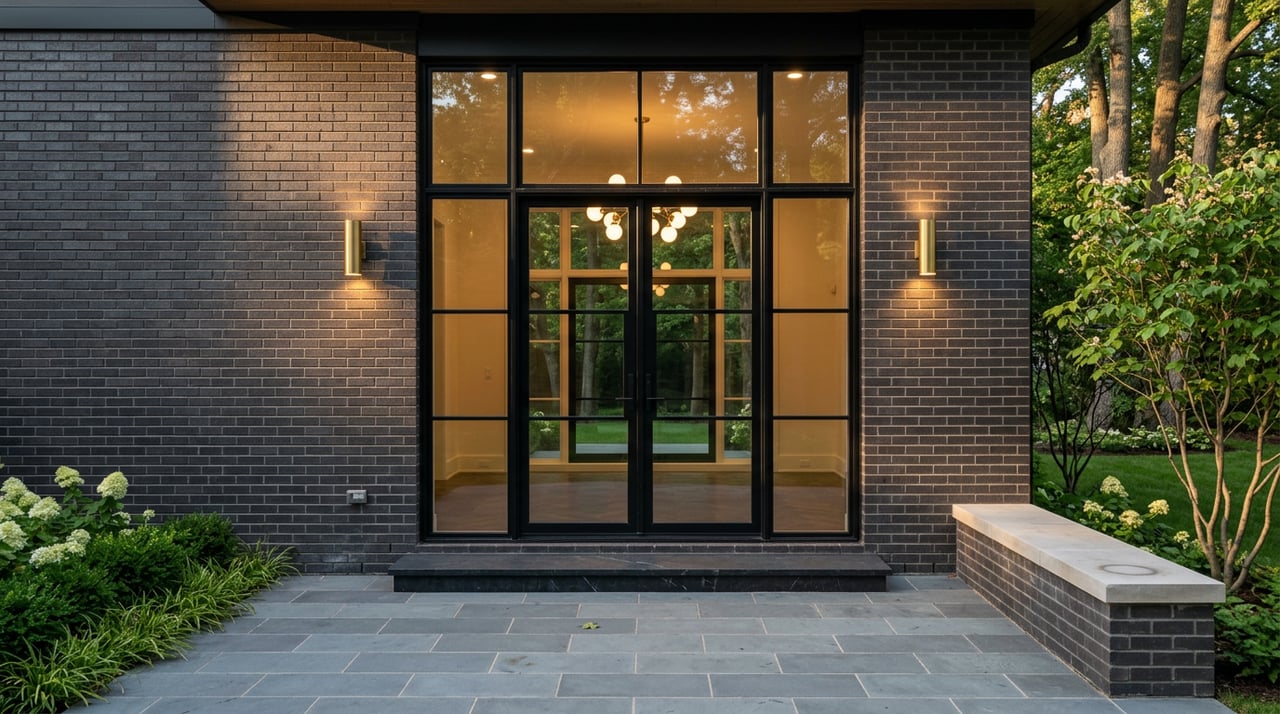
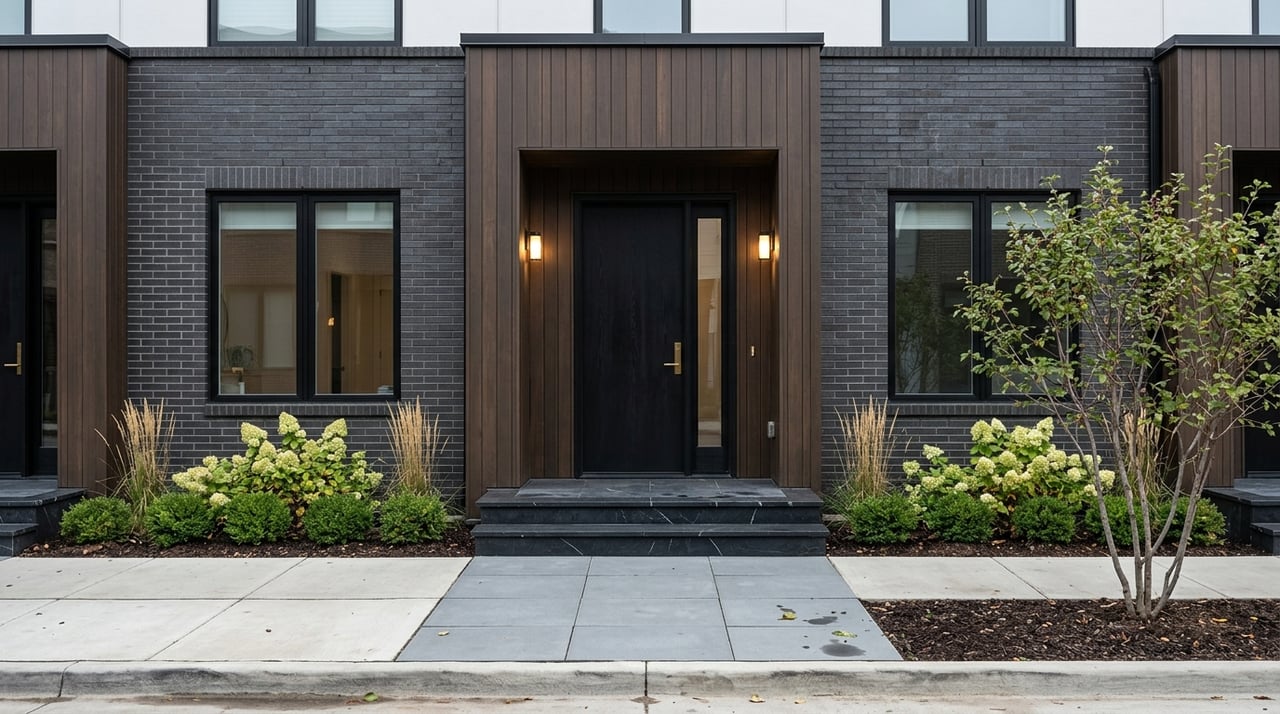
One of the biggest surprises for buyers is how varied the housing stock is. Recent and current listings in and around downtown have included renovated homes from the early 1900s, older bungalows, brick colonials, mid-century modern homes, condos, and newer construction. That range means you are not shopping one single product type when you look near Downtown Rochester.
In practical terms, your search may include a 1900s-era home with updated interiors, a mid-century property with distinct design lines, a condo with lower exterior maintenance, or a newer infill home with more modern systems and finishes. Redfin’s Downtown Rochester neighborhood page also reflects this mix, with homes from multiple decades rather than one dominant era.
Historic homes versus newer infill
If you love original details and established streetscapes, you will likely notice the pull of historic and older homes first. Downtown Rochester has a clear identity tied to preservation, and that can show up in home style, lot layout, and neighborhood feel. Older homes may offer architectural personality that is hard to replicate in newer construction.
At the same time, downtown is not frozen in time. The city’s Brownfield Redevelopment Authority page shows planned projects like The Granary at 303 E University Drive and Riverfront Place at 211 First Street, both of which point to an evolving housing base and future residential options. For buyers, that means the area includes both legacy housing and active redevelopment.
Condos, attached homes, and detached options
Close-in downtown living is not limited to detached single-family homes. Current and recent listings show smaller condo units, mixed-use style housing options, and detached homes at higher price points. That matters if you want the downtown lifestyle but prefer a lower-maintenance property or a different price band.
This mix also creates flexibility. You may find that a condo puts you closer to the core and at a lower price than a detached home, while a single-family property may give you more privacy, outdoor space, or long-term flexibility. The right fit depends on whether your top priority is proximity, space, maintenance, or home style.
What lot sizes usually mean
If you are moving from a more suburban setting, lot size is one of the biggest adjustments near downtown. Recent examples cited on listing pages often fall in the roughly 5,600 to 9,600 square-foot range, with some nearby properties offering larger parcels. The general pattern is clear: the closer you are to downtown, the more likely you are to see compact city-lot housing rather than expansive suburban lots.
That tradeoff is often worth it for buyers who want easier access to Main Street, the trail system, and downtown events. Smaller lots can mean less yard maintenance and a more connected feel, but they may also mean less separation from neighbors and less room for additions or outdoor amenities. It helps to decide early whether you value land or location more.
Downtown Rochester price ranges
Pricing near Downtown Rochester covers a fairly wide range, which is another reason buyers should avoid assumptions. According to Redfin’s Downtown Rochester market data, the median sale price was $570,000 in January 2026, with a median sale price per square foot of $419. The broader City of Rochester market was also strong, with a median sale price of $560,000 in February 2026.
Active inventory spans much more than the median alone suggests. Redfin’s listings for Downtown Rochester show properties from about $169,000 for smaller condo units to about $1.25 million for a Main Street property, with several detached homes in the middle and upper-middle ranges. For you as a buyer, that means budget, property type, and exact location all shape the experience.
What the numbers mean for buyers
A median price gives you a helpful benchmark, but not the full story. A well-updated historic home close to the core may command a premium, while a smaller condo can create a more accessible entry point. Newer and more distinctive inventory may also push pricing higher depending on finishes, design, and location within the downtown area.
Days on market can also vary by segment. The City of Rochester market showed homes selling in about 30 days in one recent snapshot, while ZIP 48307 showed a median of 62 days on market in a separate period. That tells you this is a market where timing and property type matter, so your search strategy should stay flexible.
How walkable downtown really feels
Buyers are often drawn to Downtown Rochester for its walkability, but it helps to define that clearly. Redfin gives Downtown Rochester a walk score of 51, which is best described as somewhat walkable rather than fully car-free. In other words, some daily trips may be easy on foot, but many buyers will still use a car for at least part of their routine.
That said, the city’s planning documents still describe the downtown core as walkable and pedestrian-scaled, and that experience tends to be strongest closest to Main Street and key destinations. If being able to walk to dining, shops, parks, or the trail matters to you, block-by-block location is especially important. Two homes that are both labeled near downtown can offer very different day-to-day convenience.
Parking and daily logistics
Close-to-downtown living comes with practical details that are worth thinking through early. Parking availability, driveway setup, garage space, and street patterns may look different from what you would find in a typical subdivision. The city also offers monthly parking permits for $30, which is a useful detail if parking is part of your lifestyle equation.
When you tour homes, look beyond finishes and square footage. Pay attention to how you would actually live there on a Tuesday morning or a Saturday night. Convenience often comes down to small details like where you park, how you enter the home, and how quickly you can get to the places you plan to use most.
Lifestyle perks that drive demand
For many buyers, the biggest reason to live near Downtown Rochester is not just the home itself. It is the ability to enjoy the district’s day-to-day energy and amenities. The official Downtown Rochester site says the area includes more than 350 shops, salons, restaurants, and professional-service businesses, with 85% identified as independent merchants.
That independent-business base gives the district a distinct feel. Instead of a purely transactional shopping area, downtown offers a setting where everyday errands, dining, and recreation can feel more local and more connected. If you value that kind of environment, proximity can influence your lifestyle as much as your real estate purchase.
Parks and trails nearby
Outdoor access is another major part of the appeal. The downtown district highlights surrounding waterways, three parks, and two winding trails, while the Paint Creek Trail is described as an 8.9-mile rail-to-trail route that attracts more than 100,000 visitors each year. Municipal Park adds features like tennis courts, a paved walkway, a winter skating pond, sand volleyball, tot lots, and Paint Creek access, according to the City of Rochester welcome guide.
If you like to walk, bike, or spend time outdoors without driving far, this part of the market has clear advantages. Homes closer to the trail and park system may feel especially attractive if recreation is part of your weekly routine. That can be a meaningful factor when comparing properties that are otherwise similar on paper.
Events and seasonal energy
Downtown Rochester also has a strong event calendar that shapes the local experience throughout the year. The city and community partners promote events such as the Art & Apples Festival, Fire & Ice Festival, Festival of Trees, Kris Kringle Market, Big Bright Light Show, and Movies in the Moonlight. The City of Rochester welcome guide notes that Art & Apples transforms Rochester Municipal Park each September and draws 200-plus juried exhibitors along with large crowds.
For you, this can be a real lifestyle benefit if you enjoy activity, community events, and a lively downtown atmosphere. It can also be a practical consideration, depending on your preferences for traffic, noise, and seasonal crowds. The best fit comes from understanding whether you want to be in the middle of that energy or just close enough to enjoy it when you choose.
Tradeoffs to think about before you buy
Buying near Downtown Rochester often comes down to balancing lifestyle benefits with space and logistics. You may gain easier access to restaurants, trails, parks, and events, but give up lot size or a more suburban layout. You may love the character of an older home, but need to think carefully about floor plans, storage, and how updated the property feels.
It is also important to separate the idea of being near downtown from being truly walk-convenient to it. A home can be only a short drive away and still feel very different from one that sits within the easiest blocks for walking to Main Street. Defining your priorities before you tour will help you compare homes more clearly.
How to shop this area strategically
A smart downtown-area search starts with lifestyle filters, not just price and bedroom count. Think about how often you want to walk to dining or shops, whether a condo could work for you, how much lot space you actually need, and whether historic character or newer construction matters more. Those preferences can narrow your options quickly.
It also helps to evaluate homes in context. A property’s value near downtown is shaped not only by square footage and finishes, but also by block location, access to amenities, parking, and housing type. When you understand those layers, you can make a stronger decision and avoid overpaying for features that do not match how you plan to live.
If you are considering a move near Downtown Rochester, working with a local expert can help you compare historic homes, condos, and newer infill with a sharper eye. Kyle Matta brings deep Oakland County market knowledge and a client-first approach to help you identify the right fit, understand local pricing, and move forward with confidence.
FAQs
Is Downtown Rochester, Michigan walkable for homebuyers?
- Downtown Rochester is somewhat walkable, with a Redfin walk score of 51, and the most convenient on-foot living is typically closest to Main Street and key destinations.
What types of homes are available near Downtown Rochester?
- Buyers near Downtown Rochester may find historic homes, older bungalows, brick colonials, mid-century modern properties, condos, and newer infill or new-construction homes.
How much do homes cost near Downtown Rochester?
- Recent Downtown Rochester data showed a median sale price of $570,000, but active listings have ranged from about $169,000 for smaller condo units to about $1.25 million for higher-priced properties.
Are lot sizes smaller near Downtown Rochester?
- In many close-in areas, lot sizes tend to be more compact than in typical suburban neighborhoods, with many examples falling around roughly 5,600 to 9,600 square feet.
What amenities make living near Downtown Rochester appealing?
- Buyers are often drawn to Downtown Rochester for its independent shops and restaurants, parks, Paint Creek Trail access, and a seasonal event calendar that includes festivals and community activities.
Is new development happening near Downtown Rochester?
- Yes, city redevelopment information points to projects like The Granary and Riverfront Place, which shows that downtown housing options continue to evolve alongside the area’s historic character.