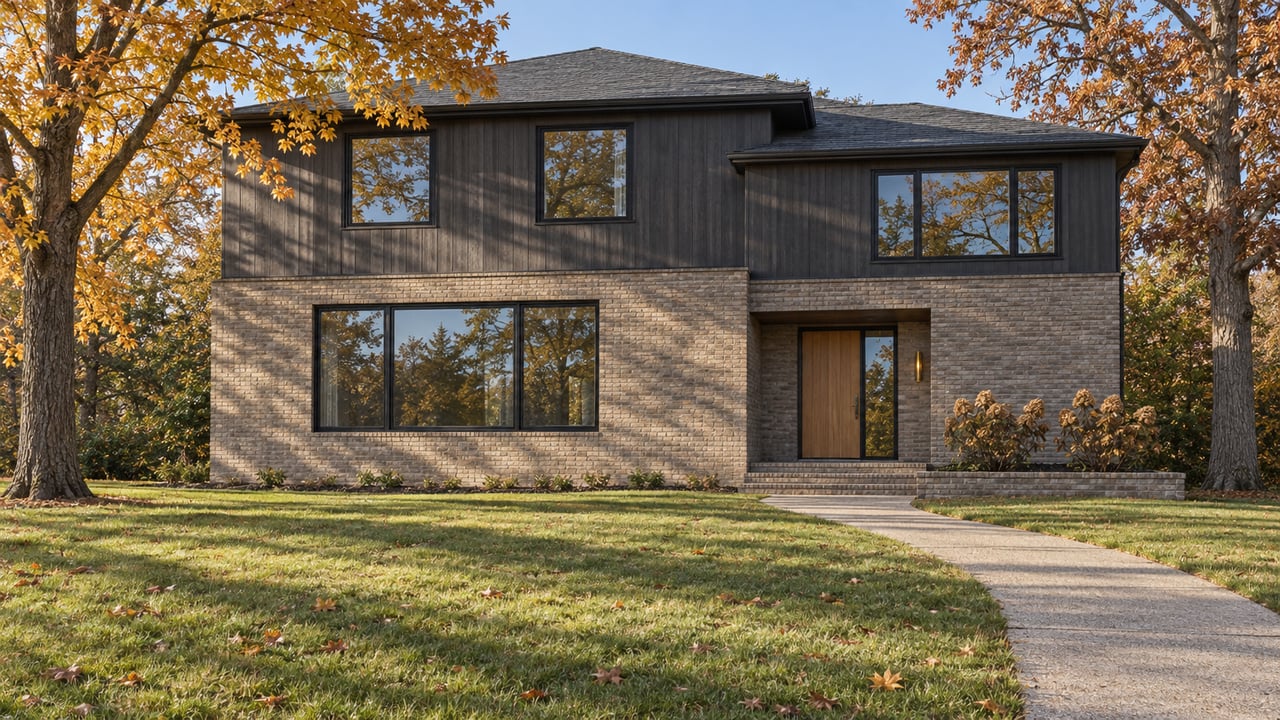
Thinking about leaving a large Bloomfield home behind, but not ready to leave the community you know? That is a common crossroads in this area, especially for long-time owners with significant equity and a home that now asks for more upkeep than it gives back. If you want less maintenance without losing your local routines, this guide will help you understand your options, timing, and key Michigan tax details. Let’s dive in.
Why downsizing looks different in Bloomfield
In Bloomfield, downsizing is often about simplifying while staying local. Many owners are not moving because they have to. They are moving because they want a home that is easier to manage, easier to travel from, and better suited to the next stage of life.
That local context matters because Bloomfield is not one single market. Bloomfield Hills city and Bloomfield Township are separate jurisdictions, and each has a different housing profile. Bloomfield Hills is a smaller, more compact city, while Bloomfield Township is larger, more residential, and has a broader range of housing choices.
The numbers help explain why this decision is often tied to equity management. Bloomfield Hills city has a median owner-occupied home value of $947,900. Bloomfield Township has a median owner-occupied home value of $604,800, an owner-occupancy rate of 87.9%, and 24.8% of residents are age 65 or older.
Bloomfield Hills vs. Bloomfield Township
If you are starting your search, it helps to understand the practical difference between these two places. Bloomfield Hills city covers about 5 square miles and has about 4,415 residents. Bloomfield Township is much larger, with 44,253 residents in the 2020 Census.
For a downsizer, that difference can shape what is available. The township’s official description notes that housing ranges from large estates to more modest homes, and that the community is 95% residential. It also highlights access to major thoroughfares and expressways, which is one reason many owners try to simplify without leaving the area.
What low-maintenance living means here
Low-maintenance living does not mean the same thing for every household. In Bloomfield, it often means less exterior work, a smaller lot, fewer repair demands, and a home that is easier to lock up and leave. For some owners, it also means a more accessible layout with fewer stairs and less unused space.
This is also a community where aging in place is part of the conversation. Bloomfield Township Senior Services serves residents age 50 and older and offers supportive services such as home-delivered meals, minor home repair, medical transportation, telephone reassurance, dementia care, and lifelong learning programs.
The township also offers complimentary center transportation and a medical transportation program for eligible seniors in Bloomfield Hills and Bloomfield Township. That means your housing decision may not be only about square footage. It may also be about how much support and convenience you want built into daily life.
Your main downsizing paths
Most Bloomfield downsizers are choosing between two broad directions. One is staying in a detached home with a smaller footprint. The other is moving to an attached home or condo for less exterior upkeep.
Smaller detached homes
A smaller detached home can offer privacy and familiar living patterns without the demands of a large estate property. This path often appeals to owners who still want a yard or prefer not to share walls. It can also make the transition feel more gradual.
The tradeoff is that detached living may still involve exterior maintenance, landscaping, and more hands-on oversight. If your goal is to reduce chores as much as possible, it is worth comparing this option carefully with condos or townhomes.
Condos and townhomes
Attached homes can be appealing because they may reduce the amount of exterior work and land care you manage yourself. In a market like Bloomfield, that can be a meaningful lifestyle upgrade. It may also make travel or seasonal time away easier.
Availability, however, can be tight. Recent market data showed 44 condos for sale in Bloomfield Hills at a median listing price of $384,000, while only four townhomes were listed there at that time. If you want a very specific location, layout, or price point, you may need to be flexible on timing or wish-list items.
What the market says right now
Bloomfield remains an expensive market, even when you are moving down in size. Recent reports showed a March 2026 median sale price of $2.7 million in Bloomfield Hills, while another source showed 219 for-sale properties with a median listing price of $775,000 and a median 30 days on market.
Those numbers are not necessarily in conflict. They reflect different data sets, with one focused on closed sales and another on active listings. For you, the bigger takeaway is that price points can vary widely depending on property type, condition, and exact location.
That is especially important if you are selling a larger home and buying a lower-maintenance one in the same market. You may have strong equity to work with, but the replacement options that fit your goals may still be limited.
HOA rules deserve a close look
If you are considering a condo, townhome, or neighborhood with an association, read the documents carefully. Bloomfield Township says homeowners’ associations exist in most, if not all, neighborhoods, and its directory includes more than 60 member associations, including condo associations.
The township also makes clear that HOA rules are separate from township zoning. That means a property may fit your goals on paper, but the association rules may affect everyday living in ways that matter to you. Think through maintenance responsibilities, exterior changes, parking, pets, guest use, and any lifestyle details that could shape long-term comfort.
Preparing an estate home for sale
Selling a larger Bloomfield property usually takes more than a quick clean-up. Estate homes often have mature landscaping, more complex exterior features, and deferred updates that deserve a plan. A thoughtful pre-listing strategy can help you protect value and avoid surprises.
If you are considering exterior improvements, remember that local rules can matter. Bloomfield Hills ordinances regulate tree removal and protection, and residents are directed to contact the Building Department before starting tree removal. In Bloomfield Township, the Planning, Building & Ordinances department handles permits, zoning, and code enforcement.
Before starting work, it helps to identify what is cosmetic, what is necessary, and what may trigger permits or local review. That is especially true on larger lots where landscaping and exterior presentation play a big role in buyer perception.
Michigan tax timing matters
For many Bloomfield owners, one of the biggest downsizing details is not the move itself. It is the tax timing around your principal residence. Michigan’s Principal Residence Exemption, or PRE, can affect carrying costs during the transition.
If your next home will be your new principal residence, Michigan Treasury says you must claim the exemption using Form 2368. The filing deadlines are June 1 for the summer tax levy and November 1 for the winter tax levy.
When your current home is no longer your principal residence, you must file Form 2602 within 90 days. Treasury says failing to do that can trigger a $5 daily penalty up to $200. If you are buying first and selling later, this is one of the most important details to plan early.
If you buy before you sell
Some Bloomfield downsizers purchase the next home before the current one closes. In that situation, a conditional rescission may allow the previous home to keep the PRE for up to three consecutive years. That can make a real difference in carrying costs while your home is on the market.
There are conditions. The old home must be for sale, unoccupied, not leased, and not used for business or commercial purposes. Treasury also says Form 4640 must be filed initially and again each year by the deadline.
Another closing item to remember
Michigan also requires a Property Transfer Affidavit. The new owner must file it with the local assessor within 45 days of transfer. It is a simple detail, but it belongs on your closing checklist.
Some downsizers may also qualify for the Homestead Property Tax Credit. For the 2026 filing season, Treasury says eligible households with total household resources of $71,500 or less may qualify, and homeowners must also stay under a taxable-value limit of $165,400.
A smart downsizing plan starts early
The smoothest Bloomfield downsizing moves usually begin well before the listing goes live. That gives you time to evaluate replacement options, review association rules, organize repairs, and line up a realistic timeline. It also helps you avoid rushed choices when attached inventory is limited.
A practical planning process often includes:
- Defining what low-maintenance means for your daily life
- Comparing Bloomfield Hills city and Bloomfield Township options
- Reviewing whether a condo, townhome, or smaller detached home fits best
- Identifying any pre-listing work that may involve permits or tree rules
- Mapping out PRE timing if you may buy before you sell
- Reviewing HOA documents before making an offer
In a market like Bloomfield, downsizing is less about leaving something behind and more about choosing what you want next. If you plan carefully, you can reduce maintenance, protect your equity, and stay close to the community ties that matter most.
When you are ready to talk through timing, pricing, or how to position a larger Bloomfield home for maximum exposure, Kyle Matta can help you build a clear, local strategy.
FAQs
What is the difference between Bloomfield Hills city and Bloomfield Township for downsizers?
- Bloomfield Hills city is much smaller and more compact, while Bloomfield Township is larger, 95% residential, and offers a broader range of housing choices.
Are there low-maintenance housing options in Bloomfield?
- Yes, including condos and townhomes, but current attached-home inventory can be limited, so flexibility on timing and features may be important.
Do HOA rules matter when downsizing in Bloomfield Township?
- Yes. Bloomfield Township says HOA rules are separate from township zoning, so you should review association documents closely before you buy.
What happens to the Michigan Principal Residence Exemption when you downsize?
- You must claim the PRE on your new principal residence with Form 2368, and when your old home is no longer your principal residence, you must file Form 2602 within 90 days.
Can you keep the PRE on your old Michigan home if you buy first?
- In some cases, yes. A conditional rescission may allow the prior home to keep the PRE for up to three consecutive years if the home is for sale, unoccupied, not leased, and Form 4640 is filed on time.
Are local services available for older residents in Bloomfield?
- Yes. Bloomfield Township Senior Services offers programs and support for residents age 50 and older, including transportation, minor home repair, home-delivered meals, and other services.